HBO leadership responds to threats against the star of the new 'Harry Potter' series.
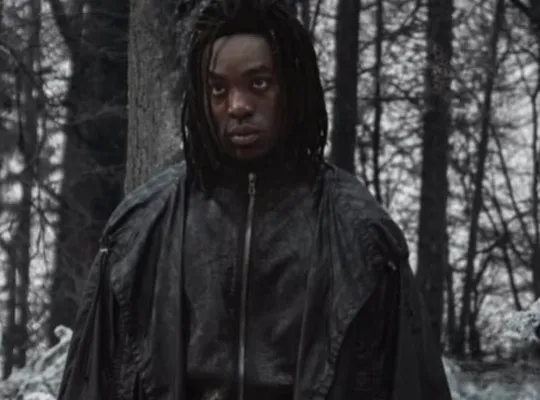
The scandal surrounding the upcoming 'Harry Potter' series continues to escalate amid an aggressive reaction from a segment of the audience. In recent weeks, discussions about the project have gone beyond ordinary criticism: an actor cast in one of the key roles has faced direct threats, causing a stir within the industry.
HBO leadership responds
Casey Bloys, head of HBO and Max Content, commented on the situation regarding the harassment of actor Paapa Essiedu, who is set to play Severus Snape. According to him, such reactions are inevitable when working with major franchises. He noted that such projects always have a dedicated audience, but alongside them, there are also people with radical views who are particularly sensitive to changes. Bloys emphasized that the team anticipates potential risks related to social media reactions and views this as part of the industry's current reality.
Threats against the actor
The discussion was sparked by statements from Paapa Essiedu himself about what he has faced since the casting announcement. The actor revealed that he regularly receives threatening messages. According to him, some users explicitly state their intention to harm him if he does not give up the role. He noted that such messages appear almost every time he logs into social media and admitted that the situation is causing serious concern.
Why the role of Snape is controversial
The character of Severus Snape remains one of the most recognizable and debated figures in the entire 'Harry Potter' story. Previously, the role was inextricably linked with Alan Rickman, whose performance became iconic for audiences worldwide. This is precisely why any changes in the interpretation of the character attract heightened attention and often provoke sharp reactions. In the case of the new series, a portion of the audience negatively responded to the casting, which became the starting point for the conflict.
Criticism of HBO's comment
Casey Bloys' statement has drawn mixed reactions from users and experts. Some found it too neutral and detached from the core of the issue. Particular discontent arose from the description of aggressively vocal users as "passionate defenders," which critics argue downplays the seriousness of the situation.
Context: fan pressure
Situations where actors face waves of negativity are becoming increasingly common in the age of social media. Major projects with an established fan base are under constant scrutiny, and any changes—whether casting or creative decisions—can spark intense debate. The Paapa Essiedu case has become yet another example of how criticism can cross boundaries and turn into real threats, demanding clearer and more decisive responses from the industry.
Diğer haberler:
Yorumlar 0