Ben Affleck and Matt Damon Face Lawsuit From Police Officers Over Production-Related Incident at Artists Equity
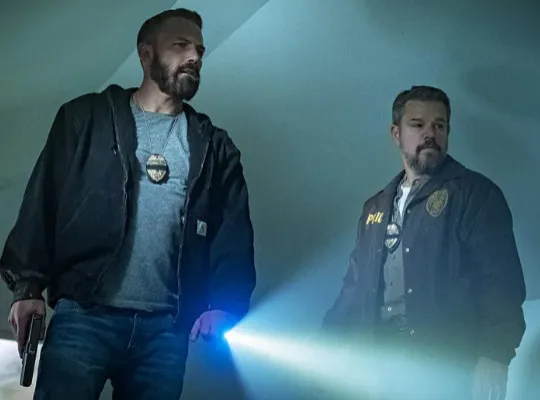
Ben Affleck and Matt Damon are facing a major legal controversy after two active police officers filed a lawsuit against their production company, Artists Equity, over the Netflix crime thriller Ripoff.
The officers claim the film improperly dramatized real events connected to their law-enforcement work and falsely implied that they were involved in police corruption and theft.
According to the lawsuit, the alleged portrayal has damaged both their professional reputations and their personal lives.
Who Filed the Lawsuit
The plaintiffs are Miami-Dade sheriff’s deputies Jonathan Santana and Jason Smith.
According to court filings, the officers argue that the film closely mirrors real narcotics raids they participated in during operations in South Florida in 2016.
The lawsuit claims that although the movie presents itself as fictionalized entertainment, the similarities are strong enough that colleagues, acquaintances, and people familiar with those investigations could easily identify them.
The officers insist they were never involved in corruption or theft and argue that the film effectively portrays them as “dirty cops” to audiences.
What the Officers Are Alleging
The case was reportedly filed under defamation claims.
Santana and Smith argue that the filmmakers tied the fictional narrative too closely to real-world circumstances surrounding their police service.
According to the complaint, this created a false public impression that they participated in illegal activity involving the disappearance and division of large sums of seized cash.
The officers claim the alleged damage extended beyond their careers and affected their personal lives as well.
They argue that the film created suspicion and doubt surrounding their names that did not previously exist.
What the Plaintiffs Are Demanding
The lawsuit does not yet specify an exact financial amount.
However, the officers are reportedly seeking:
-
compensation for financial and emotional damages
-
punitive damages
-
reimbursement of legal expenses
-
an official public retraction or clarification
-
corrections connected to marketing materials surrounding the film
If the court rules in favor of the plaintiffs, the case could become a significant legal precedent regarding how Hollywood uses real-life events and identifiable individuals in fictionalized crime stories.
What Ripoff Is About
The film premiered on Netflix in January 2026 and quickly attracted attention as a gritty crime thriller.
It was written and directed by Joe Carnahan, known for dark action films and intense crime dramas.
The story follows a group of narcotics officers who discover millions of dollars in cash during a major raid.
Rather than submitting the money as evidence, the characters decide to split it among themselves — triggering betrayal, paranoia, violence, and the collapse of their professional relationships.
The film was marketed as a brutal examination of greed, corruption, and moral decay inside law enforcement.
Why the Marketing Campaign Could Become a Problem
One of the most important aspects of the lawsuit may involve statements made during the film’s promotional campaign.
Both Ben Affleck, Matt Damon, and Joe Carnahan repeatedly emphasized in interviews that the movie was inspired by a real Miami police case.
That connection was reportedly used as part of the film’s marketing appeal and helped generate audience interest.
Now, those same comments may strengthen the plaintiffs’ argument.
If the court determines that the filmmakers intentionally highlighted the connection between the fictional story and real officers for promotional purposes, the legal position of Artists Equity could become far more complicated.
Why the Case Matters for Hollywood
The lawsuit touches on a long-standing issue within the entertainment industry.
Hollywood frequently produces films “inspired by true events,” but the legal boundary between fictionalization and identifiable portrayal has always been sensitive.
A victory for the plaintiffs could force studios to be much more cautious when promoting films connected to real events and far more precise in distinguishing fiction from factual representation.
For Artists Equity — a studio founded around the idea of prestige-driven, creator-focused filmmaking — the lawsuit could become a major reputational challenge.
So Far, the Studio Has Remained Silent
At the time of reporting, neither Ben Affleck, Matt Damon, Artists Equity, nor Joe Carnahan had publicly commented on the lawsuit.
However, the controversy surrounding Ripoff appears to be escalating rapidly.
What initially looked like another successful Netflix crime drama may now evolve into one of the most closely watched legal battles in the entertainment industry this year.
Diğer haberler:


Yorumlar 0